

Roof Pointing Cost in North Shore Sydney
If the mortar around your ridge caps is cracked, loose, missing, or letting water into the roof cavity, roof pointing is usually one of the first things to check.
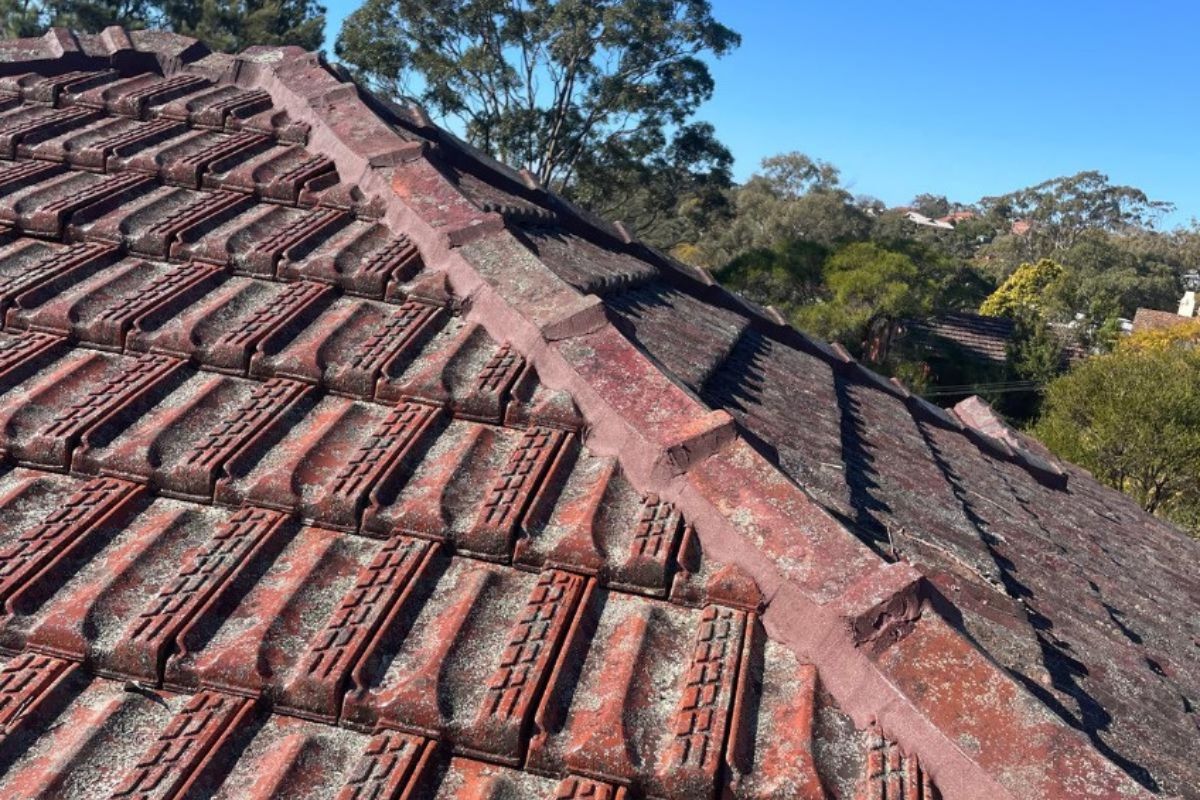
How Much Does Roof Pointing Cost?
If the mortar around your ridge caps is cracked, loose, missing, or letting water into the roof cavity, roof pointing is usually one of the first things to check. On tiled roofs across Sydney's North Shore, damaged pointing is a common cause of leaks, loose ridge caps, damp ceilings, and ongoing roof maintenance problems.
The cost of roof pointing depends on the length of ridge capping, the condition of the bedding underneath, roof access, tile type, roof pitch, and whether other repairs are needed at the same time.
Pointing roof ridge tiles costs $40 to $50 per lineal metre. For an average-sized roof, the total cost can be around $3,000 to $3,500 (pensioners receive a 10% discount).
Smaller ridge capping repairs may cost less, while steep, high, complex, or badly deteriorated roofs can cost more.

Roof Pointing Cost Guide
Most roof pointing jobs are priced after an inspection because the visible cracking is only part of the job.
We check whether the flexible pointing has failed, whether the mortar bedding underneath is still sound, and whether nearby tiles, valleys, flashing, or gutters are also contributing to the leak.
Roof Pointing and Valley Replacement Prices
| Roofing Service | Cost Guide |
|---|---|
| Roof repointing / roof pointing | From $40 to $50 per lineal metre. |
| Full rebedding and repointing | Commonly around $3,000 to $3,500 for an average tiled roof |
| Small ridge cap repair | Varies depending on access, number of ridge caps, and condition |
| Valley replacement | Valleys cost from $1,200 to $1,500 to replace per valley. Depending on roof type and access |
| Broken tile replacement | Depends on tile availability, roof access, and number of tiles |
| Leak inspection and roof report | Depends on inspection type and property requirements |
The final cost depends on the roof's condition and the amount of preparation needed before new pointing can be applied.

What Is the Difference Between Pointing, Repointing and Rebedding?
Roof pointing, repointing, rebedding and repointing, and ridge cap repair are related, but they are not exactly the same.
Ridge capping refers to the tiles along the ridge and hips of the roof.
Bedding is the mortar underneath those ridge caps. Pointing is the flexible mortar along the edges that seals them.
Most problems happen when the pointing cracks, lifts, or falls out, which is why the service is usually called roof pointing or repointing.
Roof pointing usually covers replacing the flexible pointing around ridge and hip caps.
Rebedding and repointing costs more because the ridge caps need to be reset in new mortar before pointing is applied.
Does Your Roof Need Repointing or Rebedding?
Roof pointing is the flexible compound applied over the mortar bedding that secures the ridge caps and hip caps on a tiled roof. Its job is to seal the edges, prevent water entry, and accommodate natural movement as the roof expands and contracts with heat, weather, and age.
On older tiled roofs, the pointing can become brittle, cracked, or start breaking away. Once this happens, water may work its way under the ridge caps and into the roof cavity. If left long enough, the bedding beneath may also loosen, which can cause ridge caps to shift or become unstable.
When Is Repointing or Rebedding Required?
Roof bedding and roof pointing work together, but they serve different purposes.
- Roof bedding is the mortar base that holds the ridge caps in place.
- Roof pointing is the flexible outer layer that seals and protects the bedding.
- Repointing is replacing failed pointing while keeping solid bedding intact.
- Rebedding is removing and resetting ridge caps in new mortar before applying fresh pointing.
Repointing is usually suitable when the bedding remains solid and the ridge caps are secure. Full rebedding may be required when ridge caps move or the bedding has cracked, deteriorated, or washed away.
Warning signs can include:
- Loose or moving ridge caps
- Visible gaps or missing pointing
- Cracked or deteriorated bedding
- Water stains on ceilings or moisture in the roof cavity
Repointing over failed bedding is usually only a short-term patch. If the bedding cannot securely support the ridge caps, the old material must be removed and the ridge caps reset before new pointing is applied.
An onsite roof assessment is required to confirm whether repointing alone is sufficient or full rebedding is needed.

Why Roof Pointing Costs Vary
Two roofs can look similar from the street but require very different amounts of work.
Many homes on the North Shore have older tiled roofs, steep blocks, tall rooflines, tree cover, and complex ridge or valley layouts.
These factors all affect the time, access, safety setup, and repair method.
Roof Size and Ridge Length
The longer the ridge capping and hip capping, the more preparation, bedding, pointing, and labour are required. A small single-storey roof with one main ridge will usually cost less than a large roof with multiple ridges, hips, gables, and valleys.
Condition of the Existing Bedding
If the existing bedding is firm, the job may only require cleaning, preparation, and repointing. If the bedding is loose or crumbling, the old mortar may need to be removed and the ridge caps reset.
Signs the bedding may have failed include:
- Loose or rocking ridge caps
- Gaps under ridge caps
- Crumbling mortar
- Water stains on ceilings beneath the ridge line
- Repeated leaks after previous patch repairs
Roof Access, Height and Safety
Roof access can have a major impact on cost. A low, simple single-storey roof is usually easier to inspect and repair than a steep two-storey roof on a sloping block.
Access factors include:
- Roof pitch
- Property slope
- Two-storey or split-level construction
- Safe access and ladder placement
- Distance from parking or street access
- Whether additional safety equipment is needed
Roof Tile Type and Condition
Older terracotta and concrete roof tiles need careful handling. If tiles are brittle, cracked, or difficult to replace, the repair may take longer. Some discontinued tiles can also be harder to source.
When are Additional Repairs Required?
Pointing failure is often found alongside other roof issues. If the roof also needs valley replacement, tile replacement, flashing repair, gutter cleaning, or leak tracing, the total cost may increase, but combining repairs can sometimes be more efficient than booking separate visits.
Signs Your Roof Pointing Needs Repair

What the Repair Should Include
Roof pointing repair is not just a quick smear of compound over old cracks. The roof needs to be inspected, cleaned, prepared, and repaired in the right order.
Depending on the roof condition, a typical job may include:
- Inspecting ridge caps, hip caps, tiles, valleys, flashing, and gutters
- Removing loose or failed pointing
- Checking the condition of the bedding underneath
- Replacing broken tiles near the repair area
- Rebedding loose ridge caps where required
- Applying new flexible pointing
- Leaving the work area clean
- Checking nearby valleys and gutters for water flow issues
The goal is to repair the cause of the problem, not just hide the visible crack.
Can Damaged Roof Pointing Cause Leaks?
Damaged pointing can cause roof leaks, but it is not the only possible cause. On North Shore homes, leaks are often caused by a combination of issues, especially after storms or long periods of rain.
Common leak sources include:
- Failed pointing or loose ridge caps
- Cracked or slipped tiles
- Damaged flashing or valleys
- Blocked gutters or downpipes
- Leaf buildup and storm debris
This is why a roof inspection matters. Fixing the pointing may solve the leak, but if water is also backing up through a blocked valley or gutter, the problem may return.

North Shore Roofs Often Need More Than a Simple Patch
Many homes across the North Shore have tiled roofs that are exposed to shade, leaf litter, storms, and strong seasonal changes. Suburbs with mature trees and older homes often need careful roof maintenance, especially around ridge capping and valleys.
North Shore Roof Repairs commonly works across areas including Chatswood, Lindfield, Killara, Gordon, Pymble, Turramurra, Wahroonga, Roseville, St Ives, Hornsby, Lane Cove, Mosman, North Sydney, and surrounding suburbs.
If your roof is older, has visible cracking, or has leaked before, a full inspection is usually better than a small patch repair. It helps identify whether the pointing is the main issue or whether valleys, flashing, tiles, or gutters also need attention.
Get the Right Scope Before You Compare Prices
The most accurate way to price roof pointing is to inspect the roof. Photos can help, but they do not always show whether the bedding has failed or whether nearby valleys, tiles, or flashing are causing the same leak.
What To Tell Your Roofer
Before requesting a quote, it helps to provide:
- Your suburb
- Whether the home is single-storey or two-storey
- The roof type, if known
- Where the leak or damage appears
- Whether there are ceiling stains
- Any recent storm damage
- Photos of the roof, ceiling stain, or broken mortar if safe to take from the ground
What a Good Quote Should Explain
A clear roof pointing quote should explain:
- Whether repointing or rebedding is required
- Which roof areas are included
- Whether broken tiles are included
- Whether valleys, gutters, or flashing need attention
- The materials being used
- Any access or safety requirements
- The expected scope of cleanup
Frequently Asked Questions
Free Roofing Quotation
"*" indicates required fields
Request a Roof Pointing Quote
Call Steve or request a quote online for roof pointing, rebedding, ridge cap repair and vallery replacement across the North Shore.